
In most stories I’ve encountered, the coyote holds a unique place. It’s not quite the hero, nor is it the ultimate villain. It’s like the people around us—sometimes tripping over its own feet and making a fool of itself. Yet in the end, it’s the one who discovers fire for humanity.
That feels very real. When I began sketching a coyote, I deliberately gave its face a crooked, lopsided grin. For me, this design signifies acknowledging that life is sometimes a joke—and you’re part of it. It’s about the ability to adapt. When I drew its ears, I made them exceptionally sharp and alert. The coyote is always listening—for the next opportunity, and for the next trap.
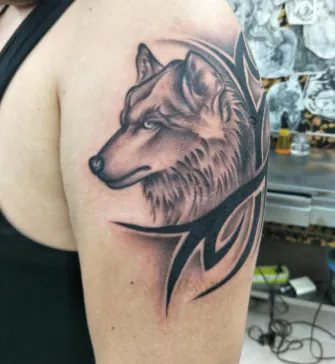
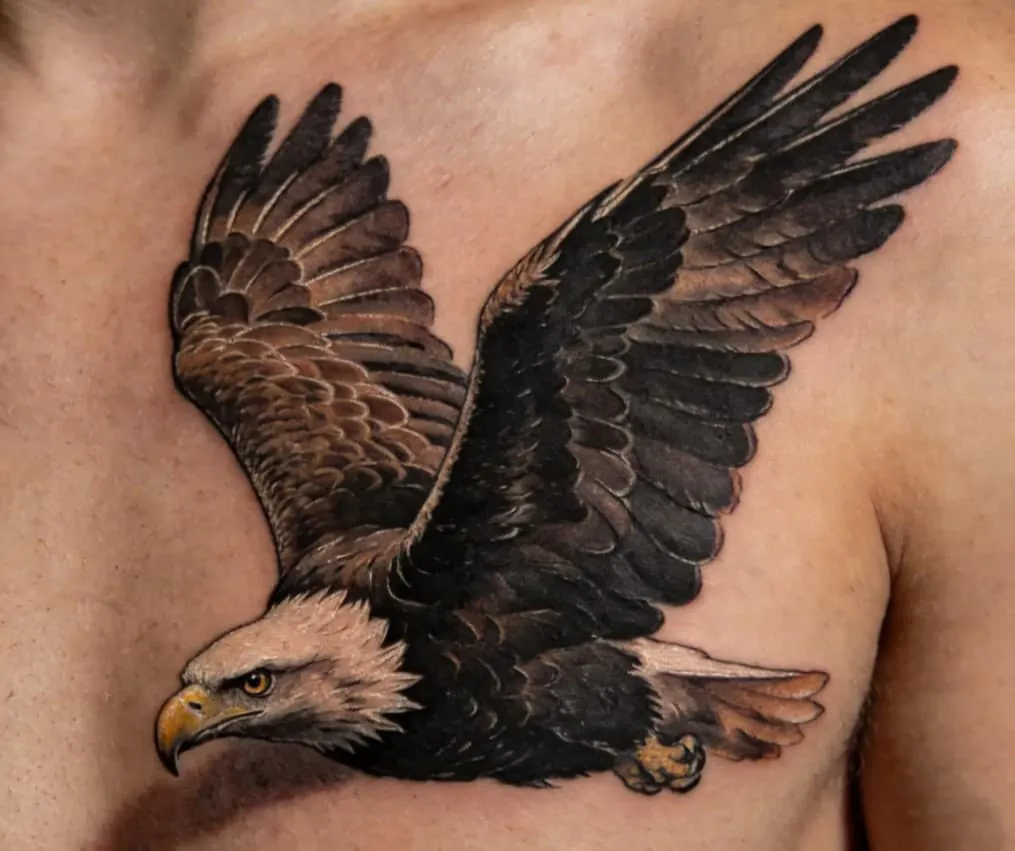
Many people love animal tattoos; wolves or eagles are common choices. But the coyote occupies a unique space between them. It’s a trickster and a survivor.
It offers rich symbolism to those who choose it. To understand the meaning of a coyote tattoo, we must look at its story. This animal possesses a special charm—unassuming yet powerful.
The Deeper Meaning Behind Coyote Tattoos
This animal carries many meanings. For those wanting to understand coyote tattoos, the following is important. Each point represents an attitude toward life:
- Clever Trickster: In many old tales, the coyote loves to play pranks. It doesn’t win by fighting; it wins with its mind. This teaches us to lighten up. Don’t take everything too seriously. When trouble comes, solve it with wisdom.
- Strong Vitality: No matter where it is, the coyote survives. It thrives in forests and cities alike. This represents your ability to overcome adversity. When environments shift, you adapt and endure. This is a powerful ability.
- Transformation and Renewal: Active both day and night, it embodies balance. Light and shadow coexist within it. This signifies your own transformation. Perhaps you’re navigating a pivotal life transition.
- Hidden Protection: Though appearing solitary, it deeply cares for family. Trusting its instincts, it shields those it loves. In uncertainty, trust your own intuition.
Different design styles evoke distinct feelings.
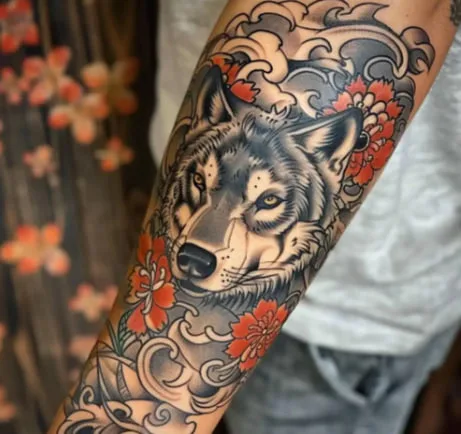
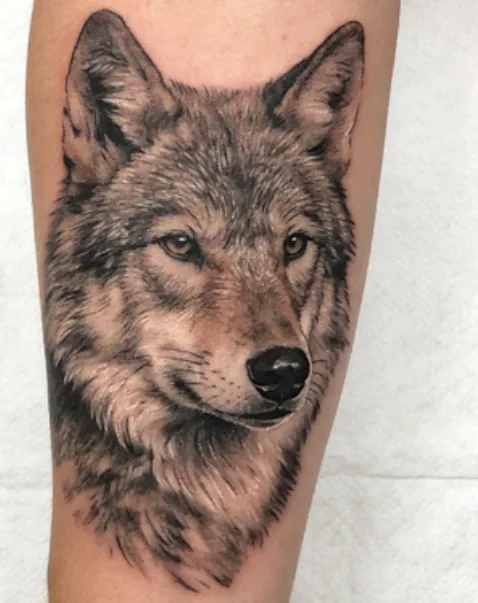
The pattern’s appearance matters greatly. Different artistic approaches create entirely different impressions. If you prefer vintage styles, expect bold lines and vibrant colors. It feels like narrating an ancient tale. This style radiates power. A red mouth, green eyes—visually striking. For those who favor simplicity, geometric shapes work well. They look modern and clean. The lines are simple, yet the meaning runs deep. Triangles, circles, combined together. Others prefer realistic rendering. Like a photograph. This captures the animal’s wildness. You can see its fur, its eyes. As if it breathes right on your skin. Each style carries its own feeling. Choose one that suits you. Don’t worry about what others think. It’s your skin, your story. The tattoo artist’s skill is also crucial. Good lines last a long time. Colors won’t fade quickly. Find a professional. Don’t just walk into some random shop. This is something you’ll carry on your body for life. Better to be careful.
In most stories I’ve seen, the coyote plays a unique role. Not quite a hero, not exactly the villain either. It’s like someone you know—sometimes tripping over its own feet, making a fool of itself. Yet in the end, it’s the one who discovers fire for humanity. That feels real. When I began sketching a coyote, I deliberately gave its face a crooked smile. To me, this design signifies acknowledging that life is sometimes a joke—and you’re part of it. It’s about adapting to life. When I drew the ears, I made them exceptionally sharp and alert. Coyotes are always listening—for the next opportunity, and for the next trap.
Many people love animal tattoos—wolves or eagles are common. But the coyote occupies a unique space between them. It’s a trickster and a survivor, offering rich meaning to those who choose it. To understand the significance of a coyote tattoo, we need to look at its story. There’s a special charm to this animal—unassuming, yet powerful.

Comment on “The Meaning of Coyote Tattoos: A Tale of Survival and Wisdom.”